Home > News > How to design an efficient production line in the food industry
How to design an efficient production line in the food industry
Is your production line really efficient?
In the food industry, efficiency does not depend solely on the performance of individual machines, but on how all equipment is integrated within the overall production process.
A well-designed production line makes it possible to optimize time, reduce costs and ensure consistent, high-quality output.
🔍 The challenge: connected processes, not isolated ones
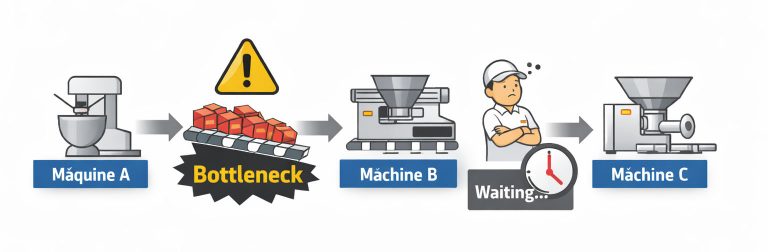
In many facilities, individual machines perform correctly, but the overall process still presents inefficiencies:
Bottlenecks between process stages
Idle time between operations
Capacity mismatches between machines
Unnecessary product handling or movement
The result is a loss of productivity that is not always immediately visible.
⚙️ Key factors for an efficient production line
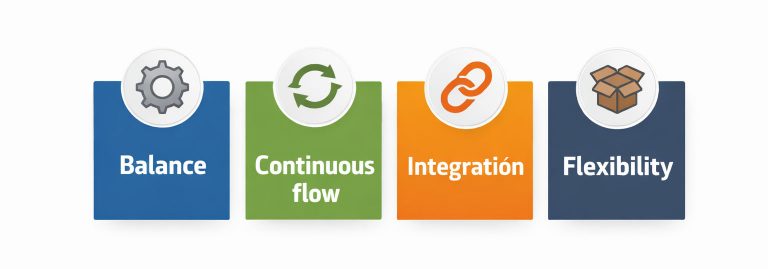
Equipment balance Each machine should be sized according to the capacity of the entire line.
Continuous product flow Avoid interruptions and unnecessary accumulation.
Process integration Equipment should operate as a unified system rather than independent units.
Production flexibility The ability to adapt to different products and production volumes.
🏭 The role of machinery in overall efficiency
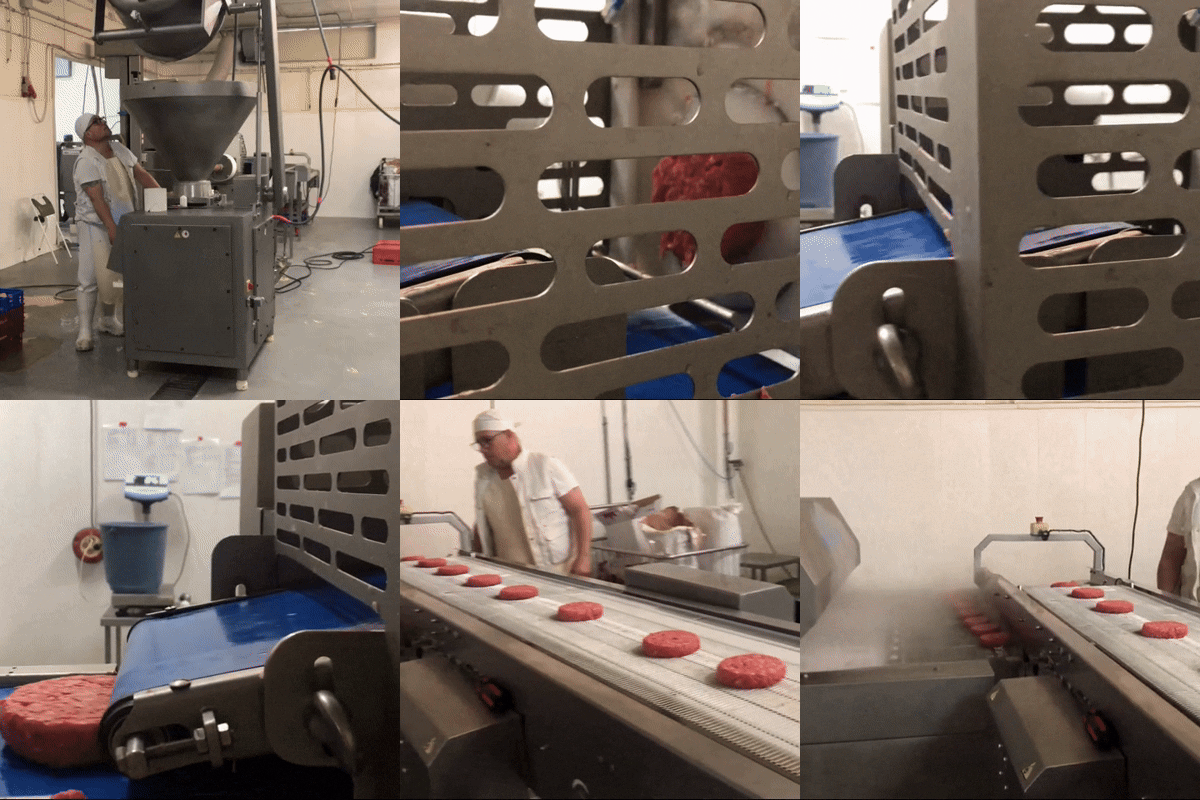
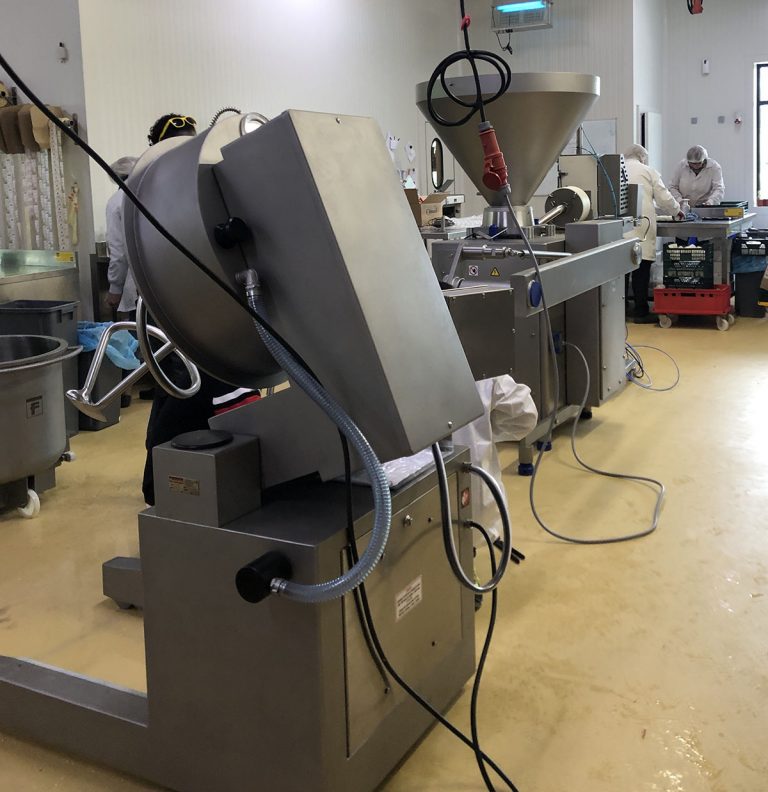
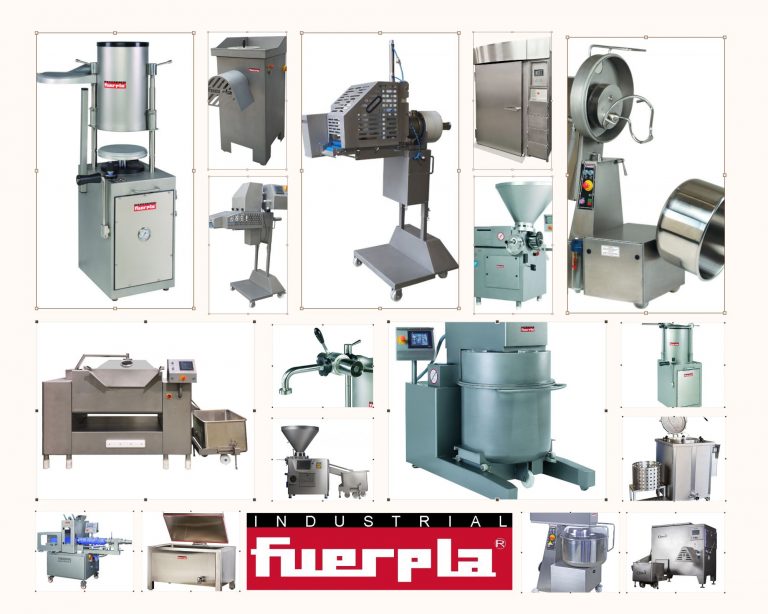
Equipment such as mixers, stuffers, dosing systems or grinders must not only perform their individual function, but also integrate seamlessly into the production flow.
In this context, solutions developed by Fuerpla are designed to facilitate integration and adapt to different production configurations and requirements.
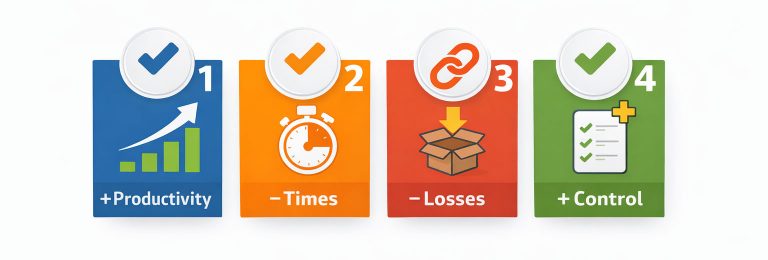
📈 Efficiency = productivity + control + cost reduction
A well-optimized production line enables companies to:
✔ Increase productivity without expanding facilities ✔ Reduce processing times ✔ Minimize product loss ✔ Improve operational organization
🤝 Is your production line truly optimized?
Analyzing the entire production process is the first step toward improving efficiency.
👉 Contact our technical team for personalized advice tailored to your production needs.